

|
|
|
|

|
|                 |
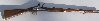
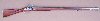
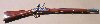
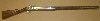
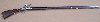
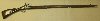
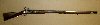
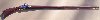
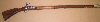
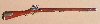
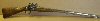
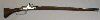
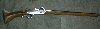
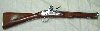
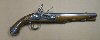
| I've been playing with flintlocks for over thirty five years, but never had an earlier style gun. Step back in time with this one! |
|
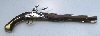
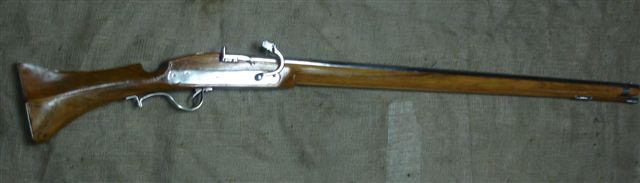
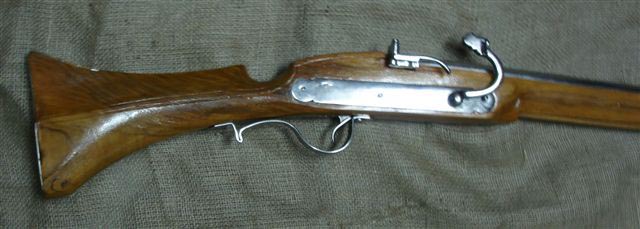
| The fishtail butt is designed to be swung by the muzzle as a big war club. The cutout for your thumb is there to give an ergonomic feel to it when aiming. |
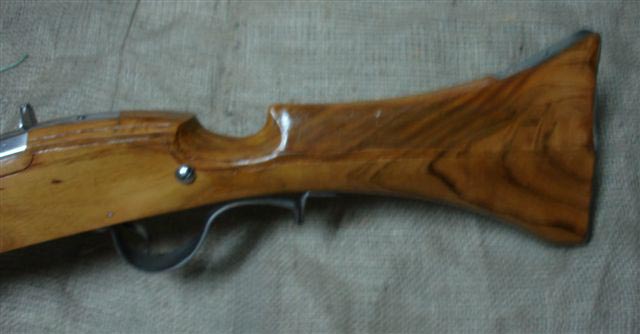
|
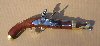
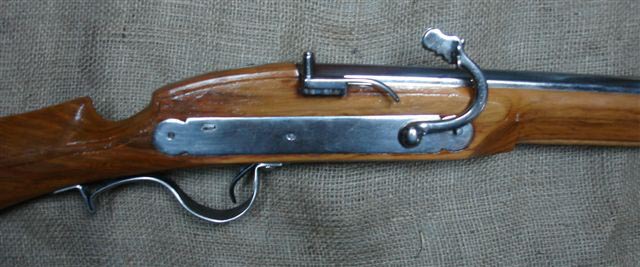
| Here's the lock. It's not a snapping lock, so the trigger is supposed to be that far forward in order to move the sear. Notice the correct flat coil spring that keeps the pan cover closed. These are also available with the older style sear bar. Specify which type you want when ordering. |
|
| As is correct for a functional 'work gun" as opposed to a fancy presentation piece, there is no entry pipe. Notice that the forward triggerguard screw passes through to secure the barrel tang. |
|
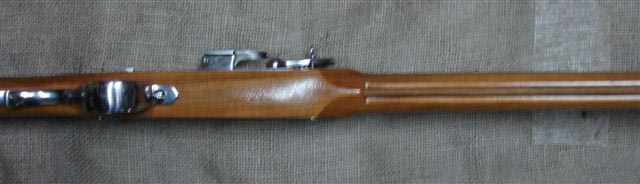
| Here is the view from the top. We took the first one of these out to play with and were amazed at how accurately these shoot. Shots were cloverleafed at 25 yards! |
|
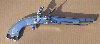
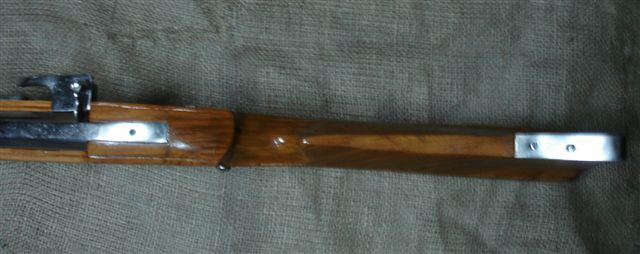
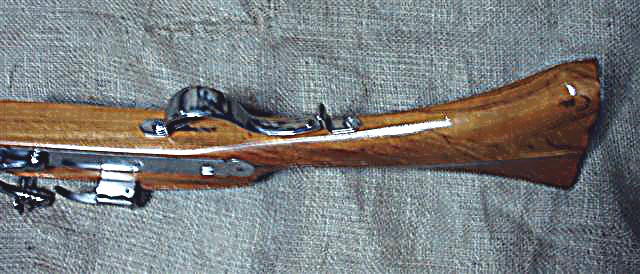
| Had to Photoshop this one because it was dark, but here is the hand-forged triggerguard. You can also see the bottom of the pan. On most matchlocks, the pan is attached to the barrel, not the lockplate. |
|
| In this view, you can see the carved lines that accent the architecture of the stock. This gun was copied in exacting detail from an original in a private English collection. |
|
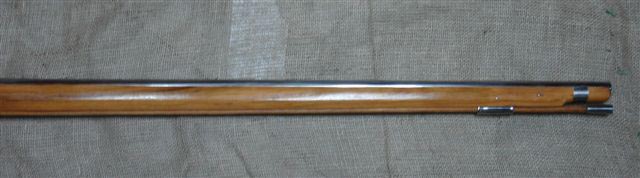
| Here's the 42", .75 cal smoothbore barrel. The overall length of the gun is 57". Note that there is only one rammer thimble. |
|
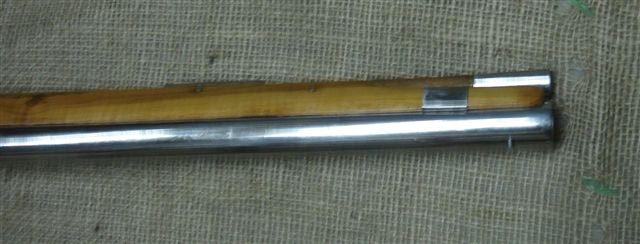
| Many guns of this type used a single barrel band to seure the barrel and to serve as a thimble. On the original, this one had a thimble, no band, and a sheet steel band at the muzzle to keep the stock from splitting. Sometimes these come with a band, sometimes a thimble. What you get depends on what is available when your order is filled. Both are correct. |
|