

|
|
|
|

|
|                 |
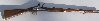
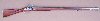
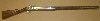
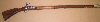
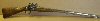
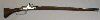
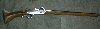
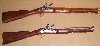
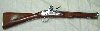
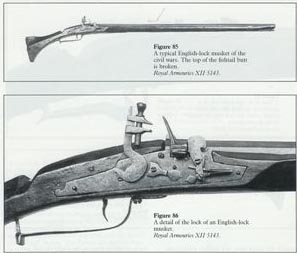
| Here is a scan of the photos that started this idea. The original gun pictured is in Blackmore's Arms & Armour of the English Civil Wars. The original gun has some period damage to the tp point of the fishtail butt, and the finished musket below has a proper fishtail as seen on our matchlock musket. |
|
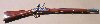
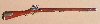
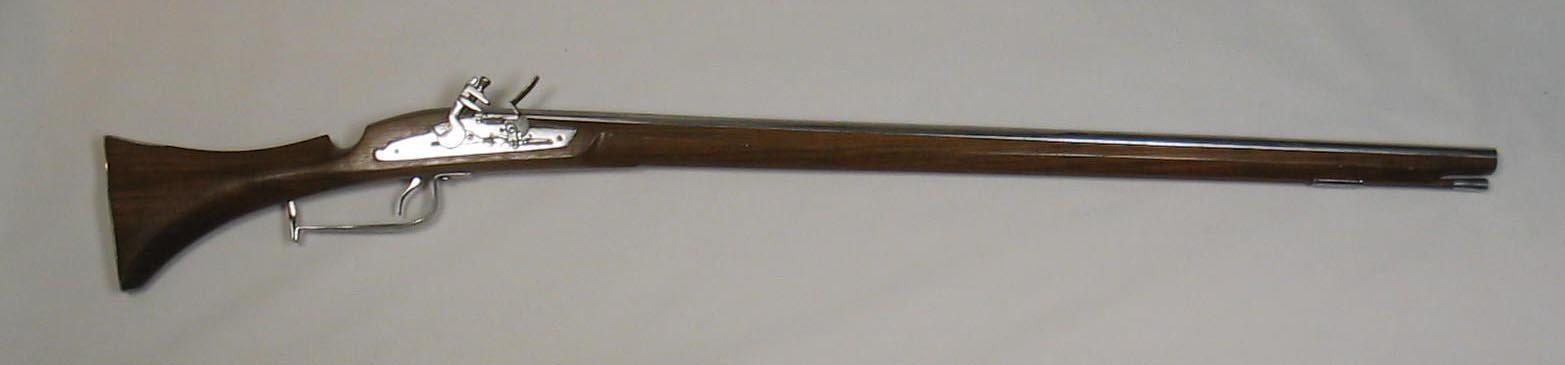
| Here's a right hand view. Note the large, hand forged triggerguard. You can see the hammer marks from when it was made inside the triggerguard bow. |
|
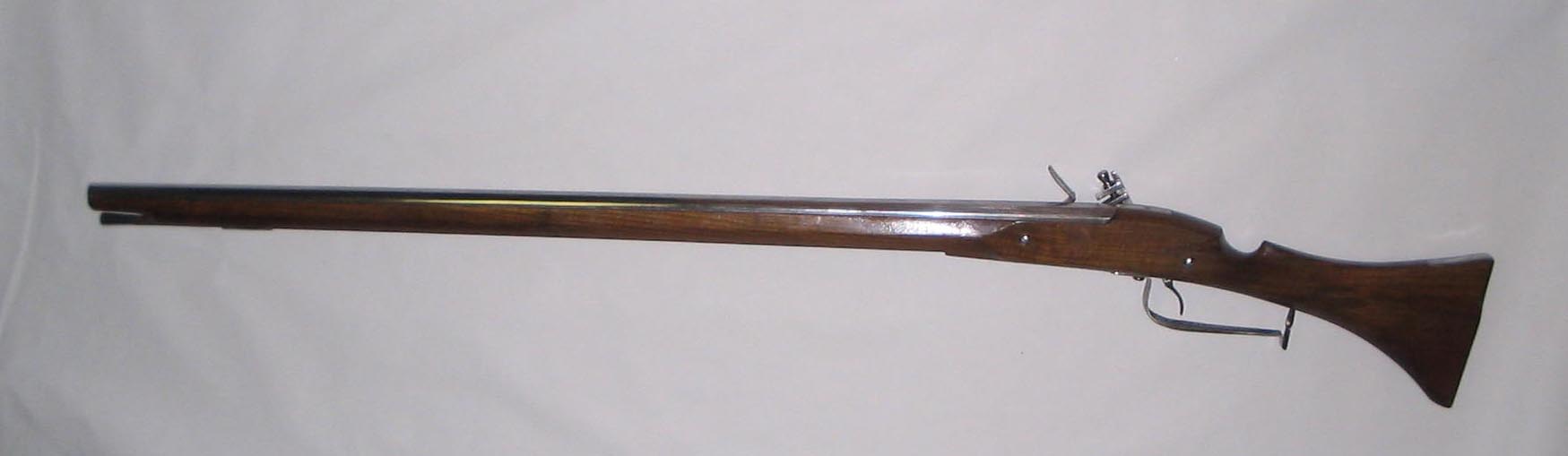
| Here it is from the left. The barrel is 42" long and .75 caliber smoothbore. |
|
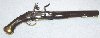
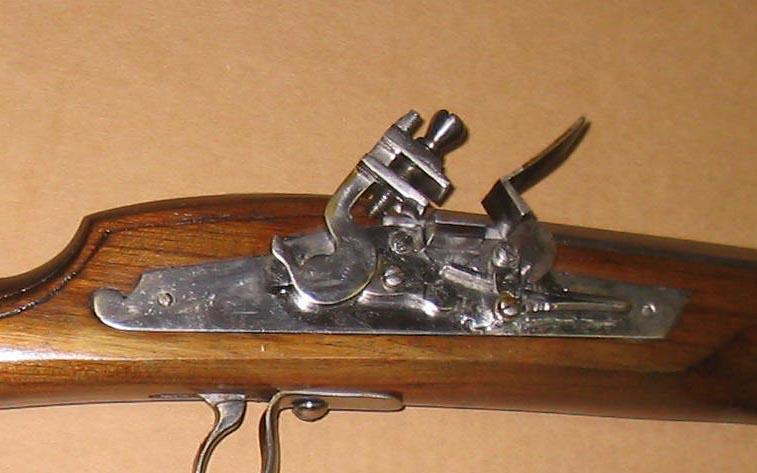
| Here's a close-up of the lock. It may have the familiar shape of a snaphaunce, but is actually an English Lock in that the pan cover and frizzen are one piece, an important step in lock evolution. There is a half cock notch internally, but the full cock position is held by the sear sticking out through the lockplate and holding back the tail on the back of the cock. |
|
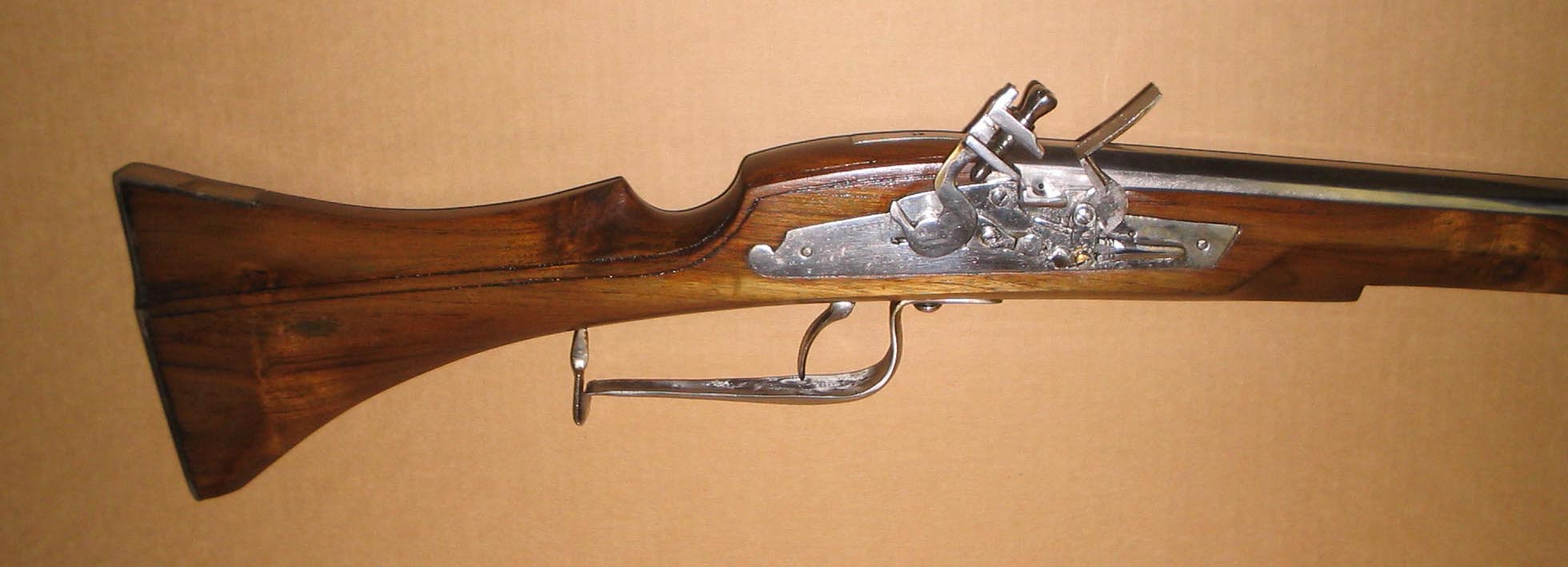
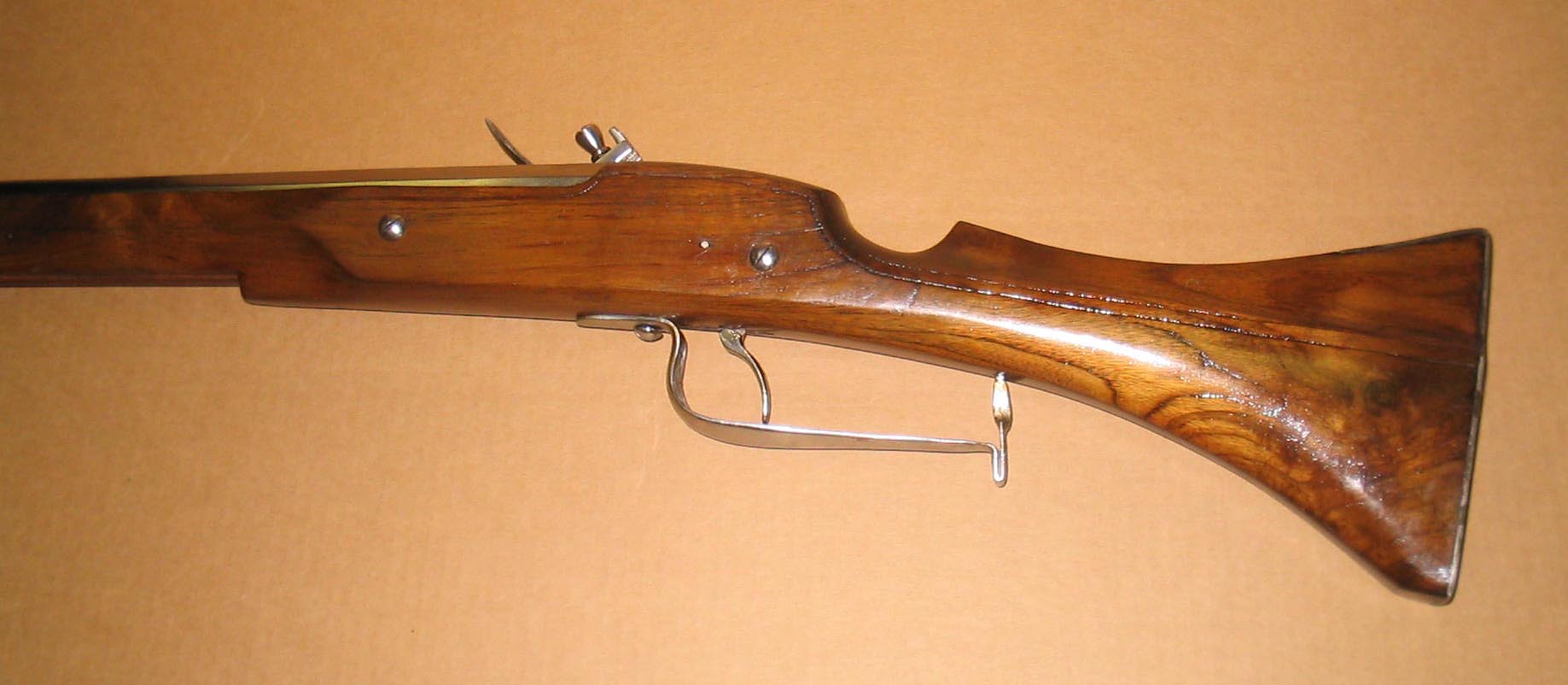
| Notice the early fishtail butt. It may look odd to us today, but is very ergonomic. The point on top of the fishtail is intended to be usd as a club when you were fighting up-close and personal. |
|
| Here's the stock from the left. There are two lock screws and the barrel tang is secured from below by the forward triggerguard screw. |
|
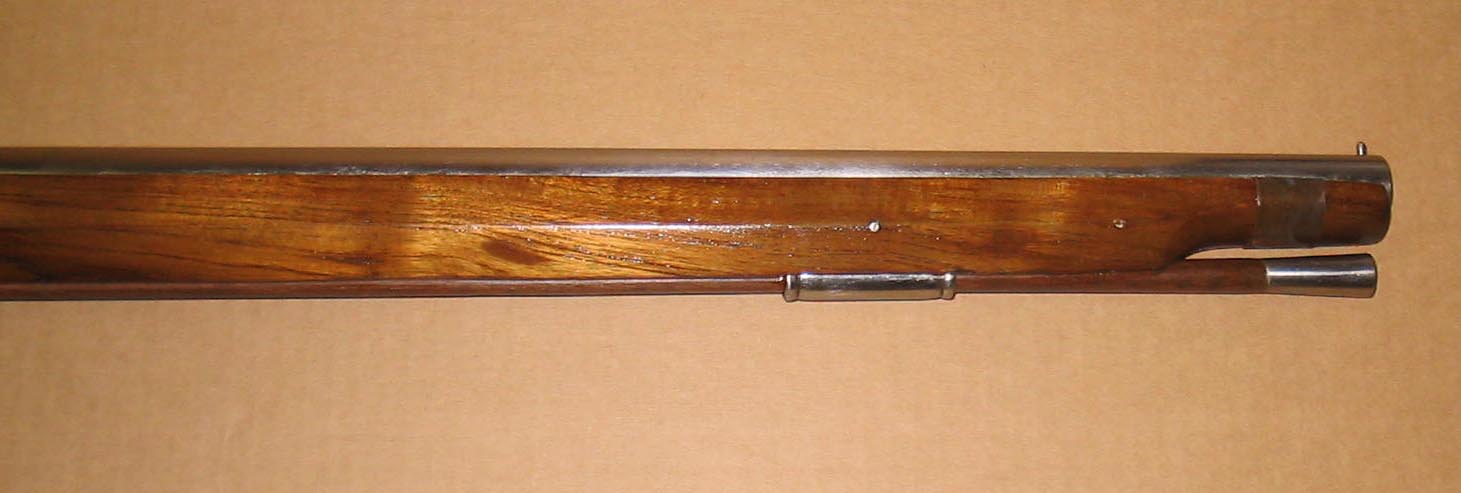
| No entry pipe, one thimble to hold the rammer. Some of them are coming through with a steel strap instead of a thimble. Both styles are correct. |
|